A Calming RPG Experience
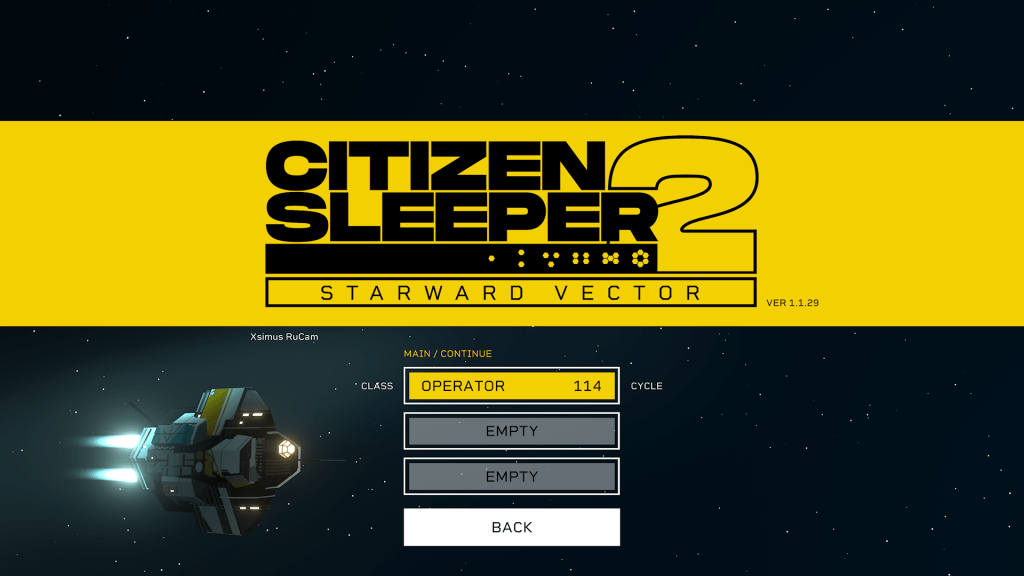
As a lifelong fan of RPGs since Final Fantasy VII, I’ve always been a fan of the genre including all Final Fantasy series, Breath of Fire, and more recently, Sea of Stars. These games are filled with epic stories, most of the time turn-based combat, and a universe that has nothing to do with real life for me to escape from reality. In the past month I was playing Indiana Jones, Nine Sols but mostly Sekiro. These are quite intense especially Sekiro where I am at the last boss. Every combat feels like a real fight full tension, high stress and high reward. Then I stumbled upon Citizen Sleeper 2 on Xbox Game Pass, I wasn’t sure what to expect was not really convinced until I though…nothing to lose, it is free on the Game Pass. It wasn’t the kind of RPG I was used to, but it turned out to be one of the most unique and captivating experiences I’ve had in gaming.
First Impressions: Lost in a Sea of Text and Mechanics
When I first booted up Citizen Sleeper 2, I was completely overwhelmed. The game throws you into a dense narrative-driven experience with a lot of reading,…A lot of reading…I mean….A LOT. This isn’t something I’m used to in RPGs. The mechanics were equally confusing at first—dice rolls, broken dices, probabilities, and resource management. I felt like I was drowning in information, unsure of how to proceed.
But something kept me going. The story, though initially cryptic, had a mysterious pull. I wanted to know more about the world, the characters, and my role as a Sleeper—a digitized human consciousness trapped in a synthetic body. An AI in an AB (Artificial Body) a very trendy topic. The more I played, the more I found myself drawn into the game’s intricate web of choices and consequences.
The Mechanics: A Unique Blend of Strategy and Chance
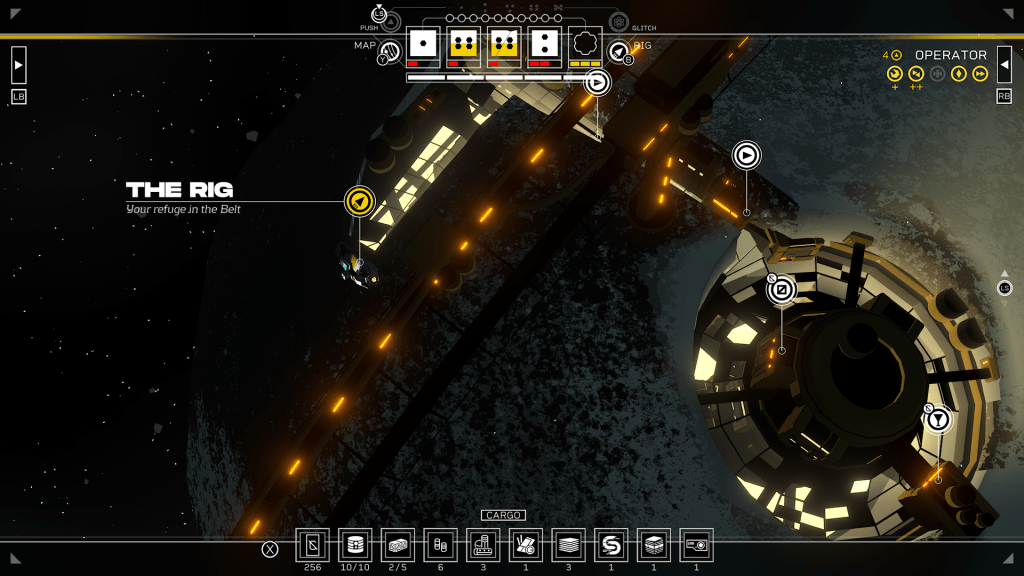
One of the most distinctive aspects of Citizen Sleeper 2 is its use of dice mechanics. Each day (or cycle), you use a set of dice that determine your available actions. These dice can be used to perform tasks to complete missions, scavenging for resources, or interacting with NPCs. But here’s the twist: your dice can become “broken,” reducing the number of actions you can take. This adds a layer of tension and strategy, as you constantly have to weigh your options and prioritize what’s most important.
Resources are also important to manage. Fuel, food, other components, which makes every decision feel impactful. The game forces you to think carefully about every move, creating a sense of urgency that keeps you on edge.
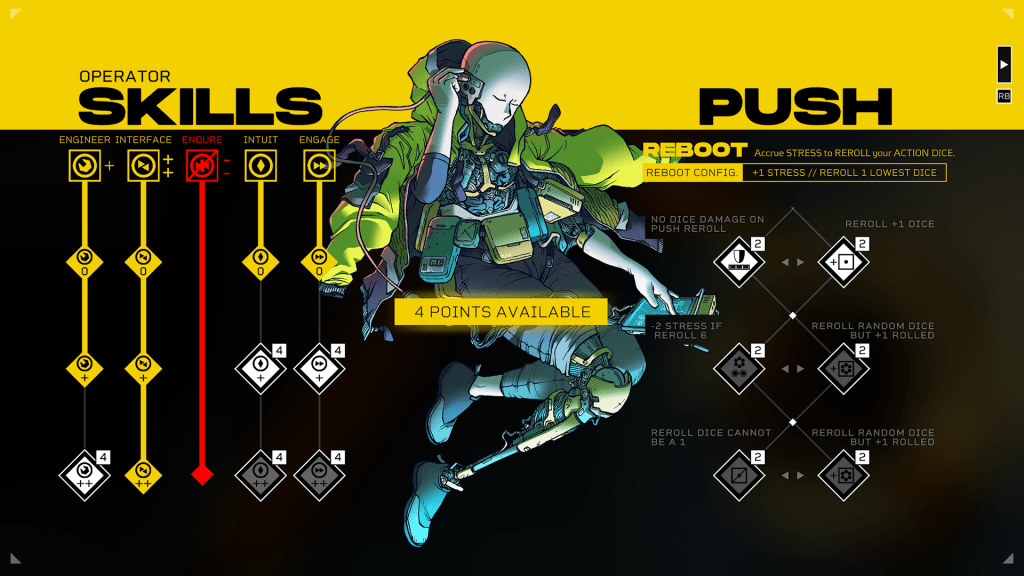
You can chose from two types of character and out of the 4 skills each character will not have access to one. Example the Operator doesn’t have “endure” for life. You can develop other skills but that one is an handicap. Not having the skill to perform a task gives you a -1 handicap. So you need to leverage on your team member when they are available, the task at hand, the risk, the reward and your willingness to gamble. Depending on the task at hand you play solo
A Perfect Counterbalance to Sekiro’s Intensity
These days, I’ve been playing Sekiro: Shadows Die Twice, and I’m currently stuck on the final boss. It’s a game that demands your full physical and mental attention, with precise timing and relentless button-mashing. While I love the challenge, it can be exhausting. That’s where Citizen Sleeper 2 comes in.
This game is the perfect counterbalance to Sekiro’s intensity. It’s a slower, more thoughtful experience where you can sit back, read, and strategize without needing lightning-fast reflexes. But don’t let that fool you—Citizen Sleeper 2 can be just as stressful in its own way. The constant pressure of managing your resources and making the right choices creates a different kind of tension, one that’s more cerebral than physical.
The Story: What Kept Me Hooked
What truly sets Citizen Sleeper 2 apart is its storytelling. The game’s narrative is rich and immersive, with a cast of well-written characters and a world that feels alive. Every decision you make has consequences, and the game does an excellent job of making you care about the outcomes. Whether it’s helping a struggling family or uncovering the secrets of the station, every quest feels meaningful.
The game also explores deep themes like identity, survival, and the ethics of technology, which added an extra layer of depth to the experience. It’s not just about surviving—it’s about finding your place in a world that’s constantly trying to break you down.

Final Thoughts: A Hidden Gem
Citizen Sleeper 2 was an unexpected encounter, but one I’m incredibly grateful for. It’s a game that challenges you to think, strategize, and immerse yourself in its world. While it may not have the flashy combat or sprawling open worlds of traditional RPGs, it more than makes up for it with its unique mechanics, compelling story, and thought-provoking themes.
If you’re a fan of narrative-driven games or just looking for something different, I highly recommend giving Citizen Sleeper 2 a try. It’s a refreshing change of pace that proves RPGs don’t need to follow the same formula to be engaging.


Leave a Reply